contact us

contact us
Wholesale UV Lash Systems, Lash Adhesives & Private Label Solutions.
If you would like to leave us a comment please go to contact us




Responsibility for a missed connecting vessel primarily depends on the cause defined under the bill of lading terms. Ocean carriers are typically liable if operational delays, vessel schedule changes, or blank sailings cause cargo to miss its feeder or main leg connection. Conversely, shippers or freight forwarders bear responsibility if missed connections result from delayed origin delivery, incorrect documentation, or customs holds at transshipment ports.
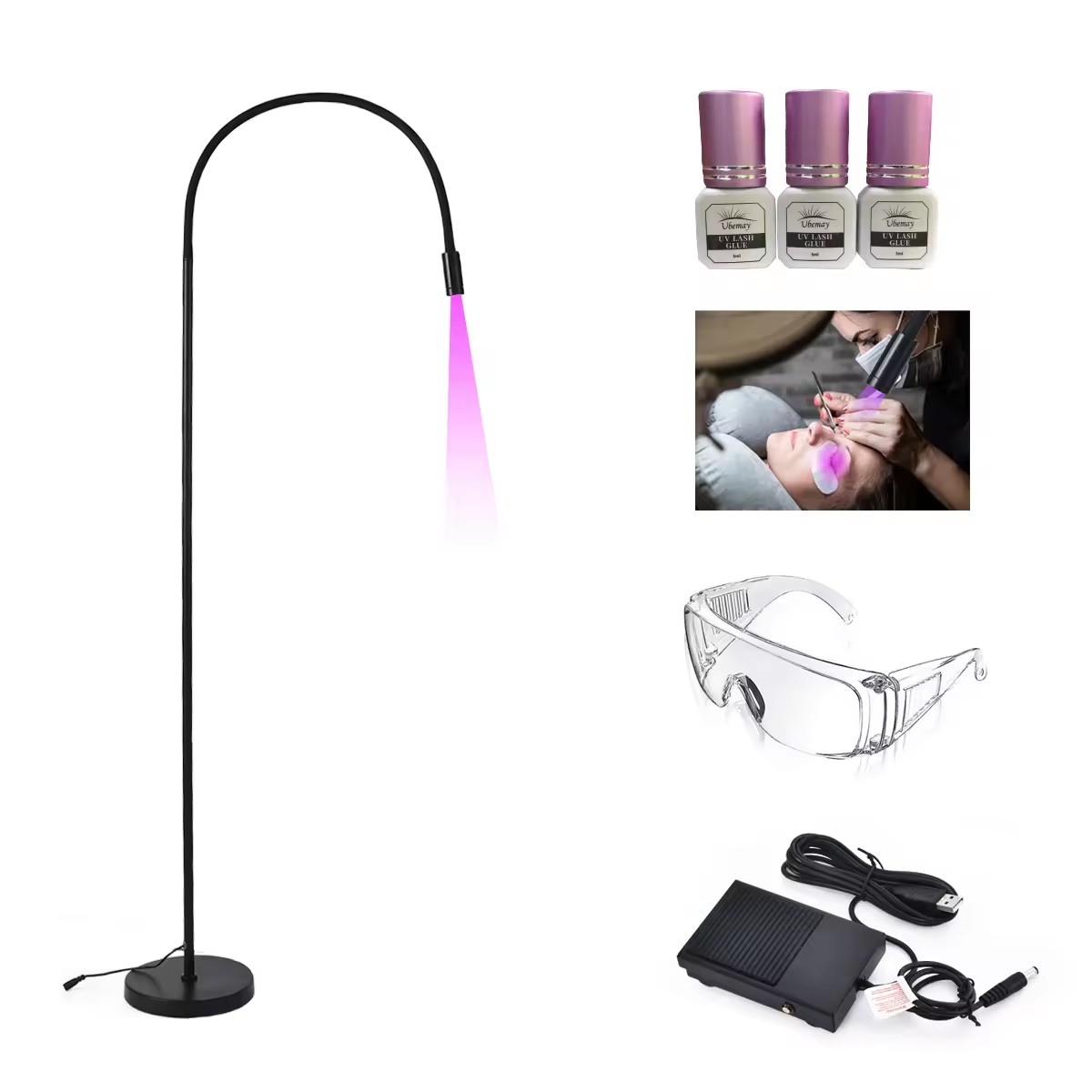
In containerized maritime transport, cargo moving between feeder ports and primary hubs relies on scheduled transshipment connections. Responsibility for a missed connecting vessel hinges on the contractual carriage agreement under the maritime bill of lading. When a single carrier issues a Through Bill of Lading (TBL), that carrier retains legal responsibility for managing the transfer between feeder vessels and mother vessels. If a delay occurs due to mechanical malfunction, port congestion, or carrier blank sailings, the carrier rebooks the container on the next available vessel without assessing rolling surcharges to the cargo owner.
Conversely, liability shifts when delays stem from origin-side failures. Freight forwarders or exporters failing to meet port cut-off times, presenting incomplete export paperwork, or experiencing customs holds forfeit carrier arrival guarantees. In these scenarios, the shipper bears additional demurrage, detention, and container storage fees accrued while waiting for the next feeder or mother vessel allocation.
For international supply chains operated by commercial entities like Guangzhou Ruiju E-Commerce Co., Ltd., mitigating transshipment risk relies on choosing appropriate freight methods. Exporting professional beauty hardware, including UV/LED Eyelash Curing Lamps and specialized adhesives, requires strict alignment between factory dispatch schedules and freight forwarder booking windows across key export markets in North America, Europe, South America, and the Middle East.
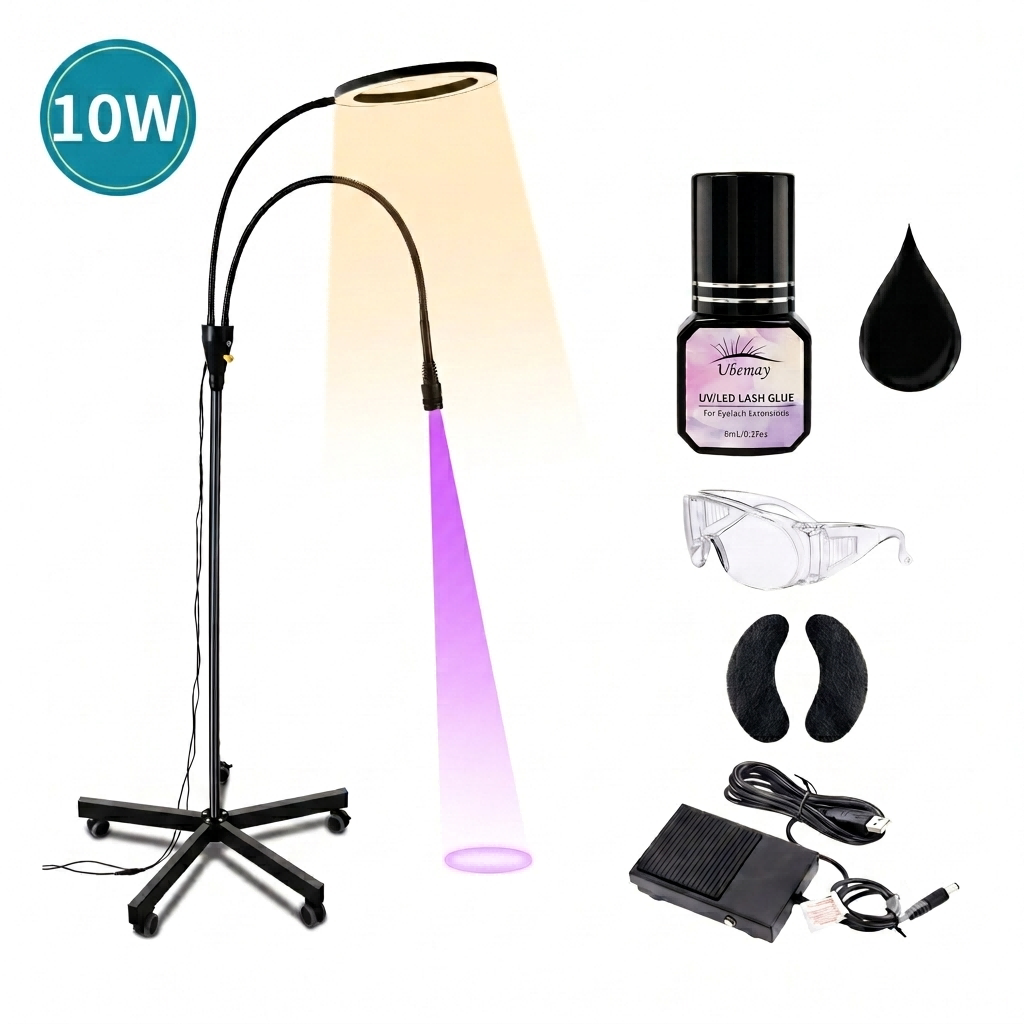
To reduce downstream disruption for global distributors—such as wholesale projects sending 10,000 lash trays to Brazil or 3,000 product sets to Italy—suppliers maintain rigorous pre-shipment workflows. Products verified under international regulatory standards, including CE (LVD/EMC) and FDA listings, pass multi-stage quality inspections to avoid origin customs delays that could compromise vessel connection windows.
| Delay Scenario | Primary Responsible Party | Financial & Operational Impact | Recommended Freight Mitigation |
|---|---|---|---|
| Carrier Blank Sailing or Route Omission | Ocean Carrier | Carrier absorbs rebooking; 3–7 day transit extension | Through Bill of Lading (TBL) with tier-1 ocean alliances |
| Late Cargo Arrival at Origin Port | Shipper / Local Drayage Contractor | Shipper pays demurrage and rollover fees ($100–$500/day) | 4-day stock dispatch buffer; 10-day custom order planning |
| Customs Hold or Paperwork Discrepancy | Exporter / Freight Forwarder | Storage penalties; potential missed vessel cutoff | Pre-clearance documentation; CE/FDA compliance validation |
| High-Value / Time-Sensitive Hardware Delivery | Buyer / Importer Choice | Inventory stockouts during peak salon sales windows | Switch from Sea Freight to Express Air or DDP Shipping |
What happens when an ocean carrier rolls a container at a transshipment hub?
When a carrier rolls a container due to overbooking or schedule adjustments under their control, the carrier automatically rebooks the container onto the next departing vessel. The carrier covers terminal storage and re-handling charges resulting from the rollover.
Does DDP shipping protect buyers from missed vessel connection costs?
DDP (Delivered Duty Paid) terms shift transit risks, logistics management, and unexpected port storage fees to the seller or forwarder. The seller manages vessel delays and ensures final delivery to the buyer's destination warehouse without extra billing.
Who pays demurrage fees if customs inspections delay container loading?
If customs authorities select a container for inspection based on missing paperwork or regulatory discrepancies, the shipper or exporter bears all port storage, demurrage, and container inspection costs incurred during the delay.
Determining responsibility for missed connecting vessels requires evaluating the root cause against contractual carriage terms. While ocean lines manage operational carrier delays under standard bills of lading, shippers must prevent origin-side documentation errors and late port cut-offs. Selecting flexible business models—ranging from small-batch sample orders (MOQ 1 pc) to bulk OEM/ODM manufacturing—and utilizing reliable express, air freight, or DDP shipping methods helps maintain supply chain continuity. For detailed technical solutions or support, please reach out to us via sales@ubemay.com.
Guangzhou Ruiju E-Commerce Co., Ltd. operates under the brand name UBEMAY, specializing in professional eyelash beauty products, adhesives, and UV/LED equipment for global markets. Established in 2014, the company houses 50 employees across a 5,000 sqm manufacturing facility, maintaining an export ratio of 80% across North America, Europe, Latin America, and the Middle East. Holding CE (LVD/EMC) and FDA listings, the enterprise has supplied professional lash distributors and training academies with total sourcing solutions across more than 10,000 product shipments.