contact us

contact us
We provide best eyelash glue wholesale.
If you would like to leave us a comment please go to contact us

During a remote factory inspection, photograph raw material inventory, active assembly lines, quality control testing setups, warehouse storage conditions, and machine compliance labels. Capture clear high-resolution images of equipment calibration tags, batch serial numbers, packaging materials, and facility safety infrastructure. These photographic checkpoints verify operational capacity, quality standards, and regulatory compliance without requiring physical on-site presence.
A comprehensive remote audit relies on systematic photographic documentation to substitute physical facility walkthroughs. When evaluating manufacturing hubs serving professional lash salons, beauty training academies, or distributor networks, visual validation must focus on operational repeatability and product safety standards.
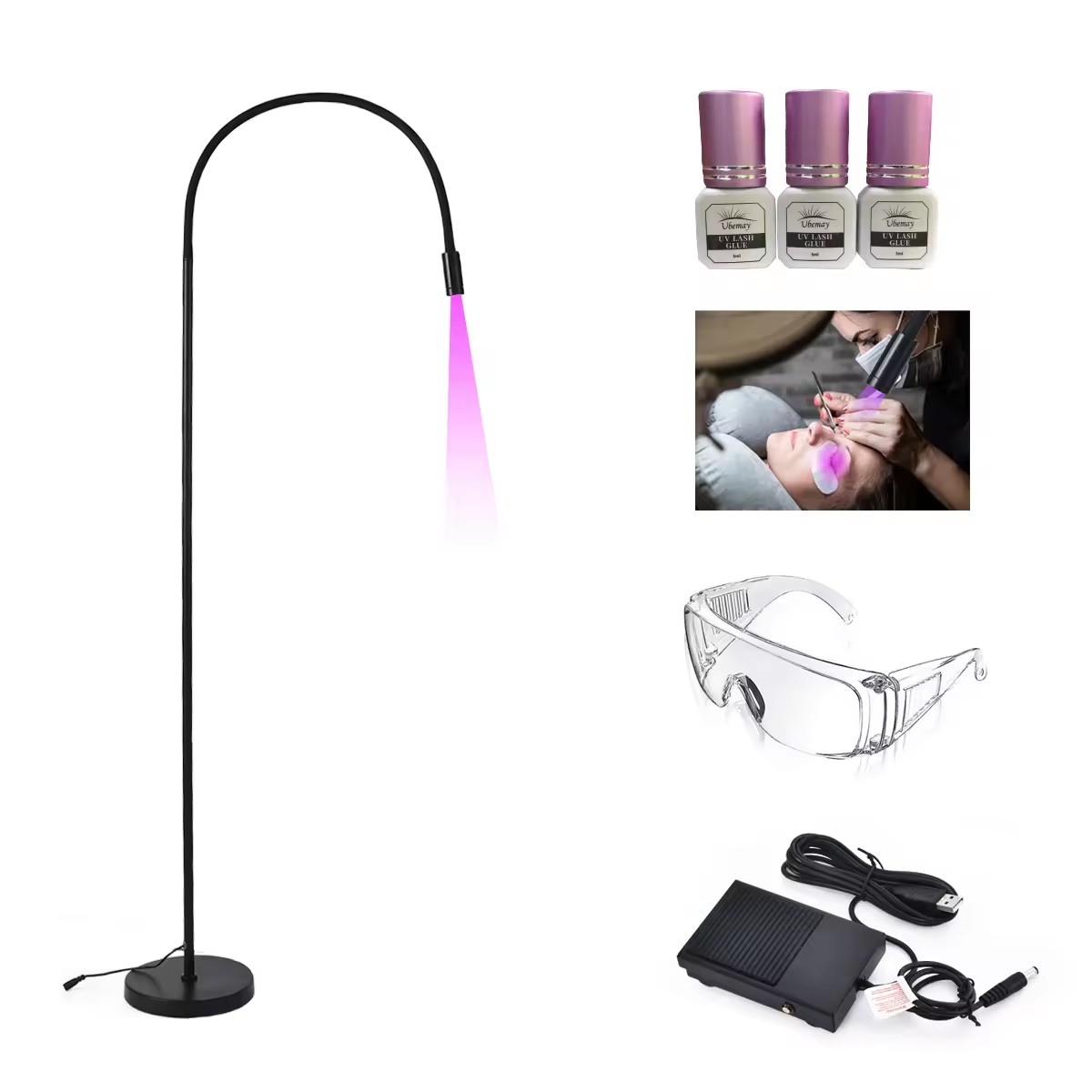
Inspectors must instruct remote personnel to capture close-up images of machinery serial plates and active workstation environments. For electrical devices, such as the UV/LED Eyelash Curing Lamp, documenting the functional test bench—including gooseneck flexibility tests, spot size adjustment mechanisms, and dual-head assembly alignments—provides verifiable proof of mechanical integrity.
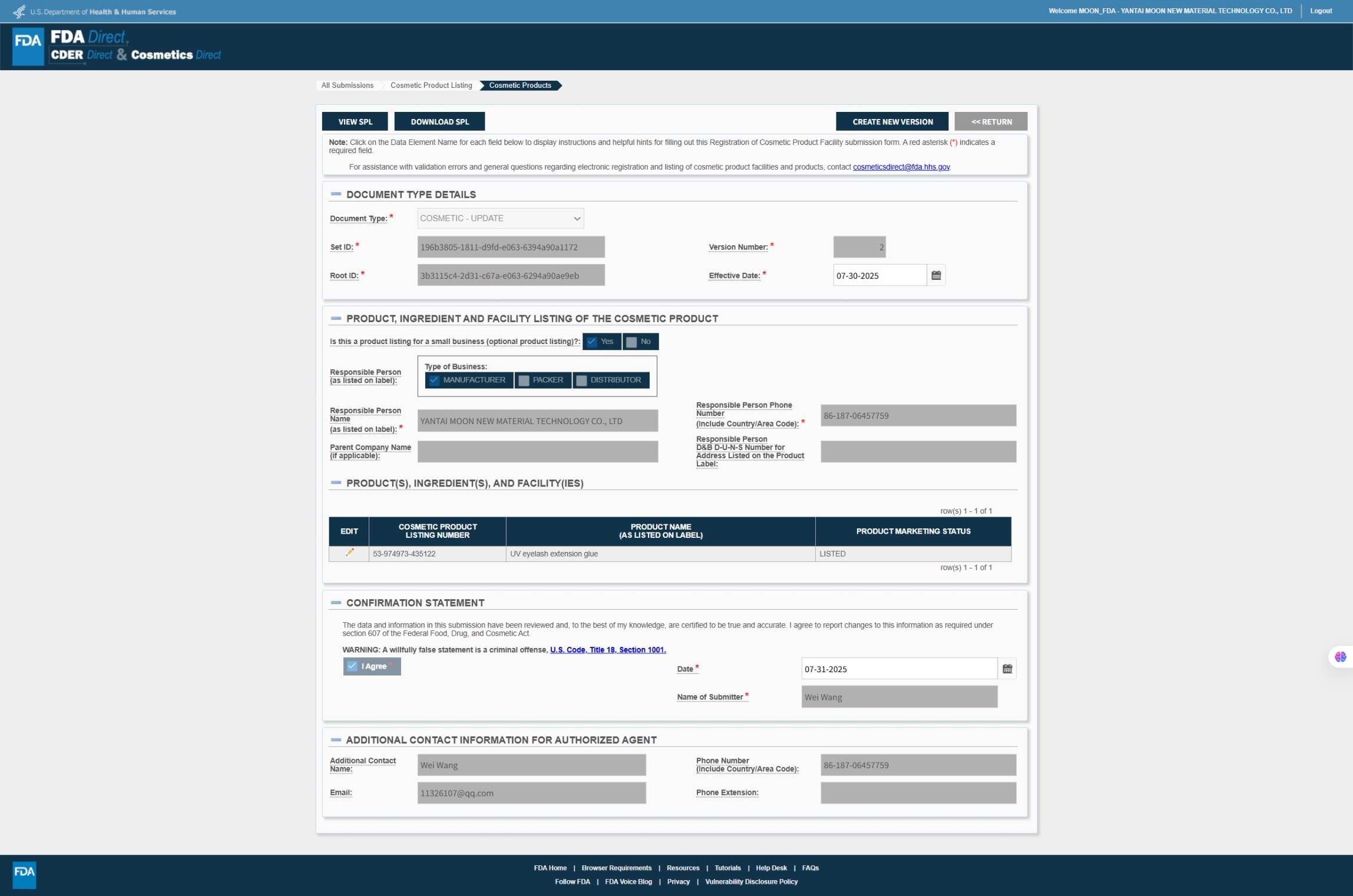
Regulatory compliance is another essential category during remote audits. Photographic evidence must record valid safety tags and regulatory certificates directly attached to testing equipment or product housing. Validated manufacturing facilities maintain active documentation, including FDA Cosmetic Product Listing (Cert No. 53-974973-435122) for UV adhesives and CE certificates for electrical apparatus (CE LVD Cert No. ZKT-25091522640C and CE EMC Cert No. ZKT-25091522641C).
Real-world fulfillment records further strengthen audit assessments. Historical order execution—such as 1,000-piece private-label adhesive orders supplied to North America or 10,000-tray wholesale shipments delivered to South America—demonstrates a facility's ability to maintain batch consistency across high-volume production cycles.
The following table outlines the required visual evidence and evaluation criteria across key facility operational zones during a remote factory inspection:
| Inspection Zone | Mandatory Photographic Evidence | Key Verification Parameters | Priority Level |
|---|---|---|---|
| Assembly & Manufacturing Area | Live assembly lines, machine nameplates, component positioning | Operational status, component alignment, assembly consistency | High |
| Quality Assurance & Lab | Functional test rigs, light spectrum meters, aging stations | Defect rate tracking, parameter accuracy, compliance verification | Critical |
| Packaging & Logistics | Master cartons, pallet stacking, shipping labels, barcode placement | Package structural integrity, barcode readability, labeling accuracy | Medium |
What key details should be captured on factory machinery nameplates?
Machinery nameplates should clearly display the manufacturer name, model number, voltage rating, serial number, and safety compliance certifications such as CE or UL stamps. This verifies that the factory uses compliant, standardized equipment for production.
How can photos confirm quality control during remote audits of electronic devices?
Photographs must show active functional test benches, electronic parameter readouts, burn-in power stations, and calibration stickers on testing apparatus. Documenting live testing procedures confirms that units undergo mandatory electrical and operational quality checks.
Why is photographing raw material batch labels necessary?
Raw material photographs verify material traceability, supplier authenticity, and storage environmental controls. Capturing batch tags ensures the factory uses approved grade inputs rather than unverified third-party materials.
Executing a remote factory inspection requires systematic visual logging across production, quality control, and shipping areas. Sourcing partners offering flexible manufacturing options—such as OEM/ODM customization, private label branding, sample orders starting at 1 piece, and production scaling—provide structured quality inspection workflows. Standardized shipping methods including Express, Air Freight, Sea Freight, and DDP, supported by flexible payment structures like T/T, Alibaba Trade Assurance, PayPal, and Western Union, ensure secure international procurement. For detailed technical solutions or support, please reach out to us via sales@ubemay.com.
Guangzhou Ruiju E-Commerce Co., Ltd. operates under the professional beauty brand Ubemay, delivering professional eyelash extensions, lash adhesives, accessories, and UV/LED lash curing equipment. Established in 2014, the company houses 50 employees across a 5,000 square meter factory facility, providing comprehensive OEM/ODM and private-label customization services. Certified under FDA product listings and CE standards, the business has served clients across multiple global markets including North America, Europe, South America, and the Middle East.