contact us

contact us
We provide best eyelash glue wholesale.
If you would like to leave us a comment please go to contact us

An onsite audit at an eyelash eye pad factory should cover incoming materials, product appearance, functional performance, production controls, customization capability, packaging, pre-shipment inspection, traceability, and after-sales procedures. Auditors should also verify the supplier’s product scope, order terms, delivery process, export markets, and evidence supporting quality claims for professional lash extension accessories.
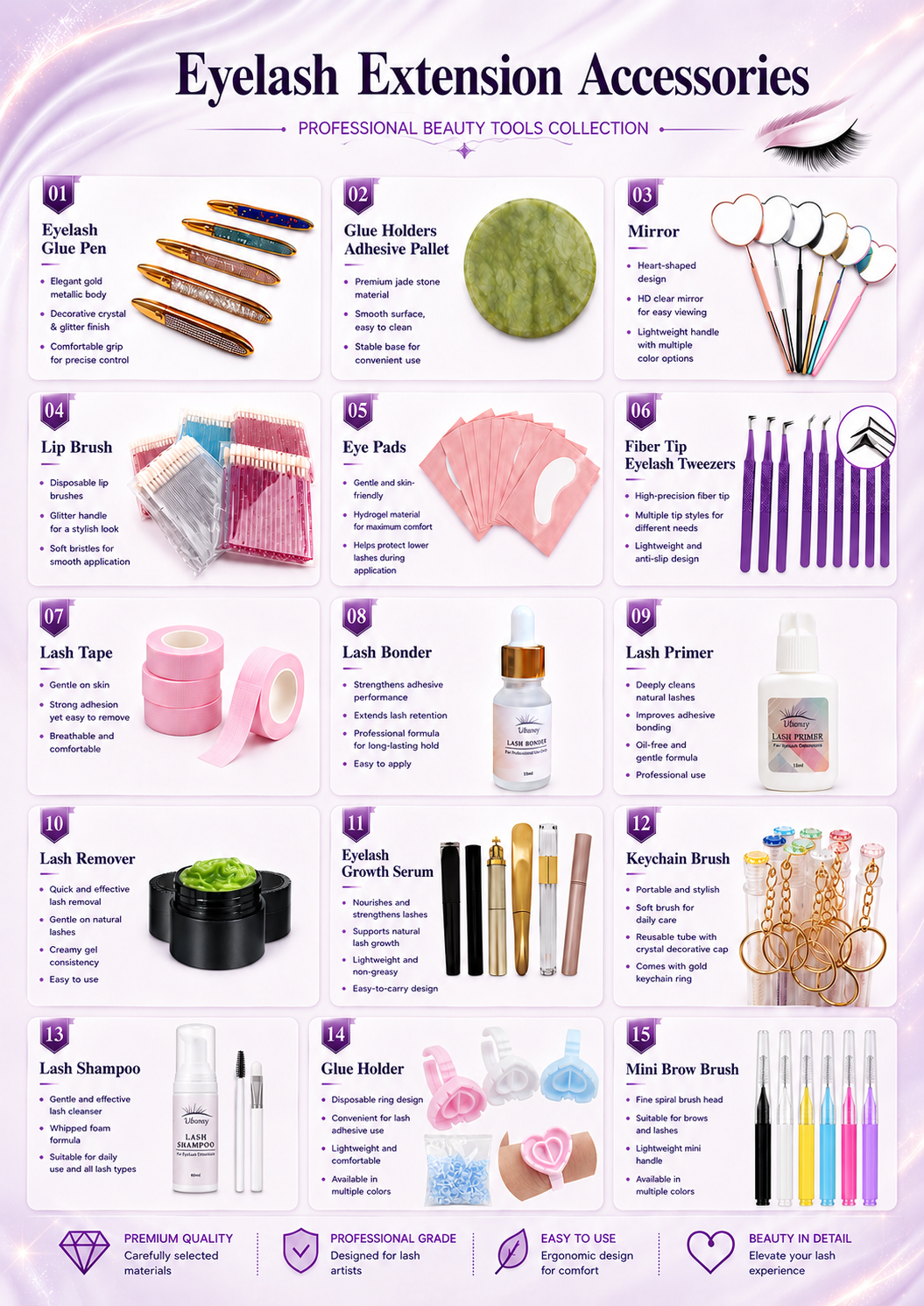
An onsite audit should begin with product and specification control. The factory should be able to identify the exact eye pad style, dimensions, materials, colors, packaging format, and intended application. The product information lists multiple accessory categories and states that multiple styles and colors are available, with OEM/ODM and private-label support.
Material control should include supplier records, incoming inspection results, and procedures for handling nonconforming materials. The stated quality inspection process covers incoming material inspection, appearance inspection, functional inspection, and pre-shipment inspection. During an audit, each stage should be matched with records, responsible personnel, acceptance criteria, and corrective-action documentation.
Appearance and functional checks should be reviewed separately. Appearance checks can confirm consistency of shape, surface condition, color, labeling, and packing. Functional checks should confirm that the eye pads and associated accessories meet the approved sample or order specification for professional lash extension use. The audit should compare production samples with inspection records rather than relying on verbal confirmation.
Customization capability requires a review of the specification process. Auditors should examine how the supplier manages custom colors, labels, packaging, product combinations, and private-label requirements. The product information states that custom orders start at 100 pieces, while samples can be ordered from 1 piece. Customized orders are listed with a delivery time of 15–30 days, subject to the agreed requirements.
Production planning and delivery controls should be assessed against the order type. The product information lists a 7-day delivery time for standard orders and a 15–30-day period for customized orders. The audit should review how order quantity, packaging, artwork approval, material availability, inspection status, and dispatch authorization affect the delivery schedule.
Packaging inspection should confirm product identity, quantity, labeling, protection, and consistency with the approved packaging design. Pre-shipment inspection should include a final review of appearance, function, quantity, and packaging before release. The supplier’s after-sales process states that verified defects may qualify for replacement and that quality issues receive support, so the audit should review the related claim and replacement procedure.
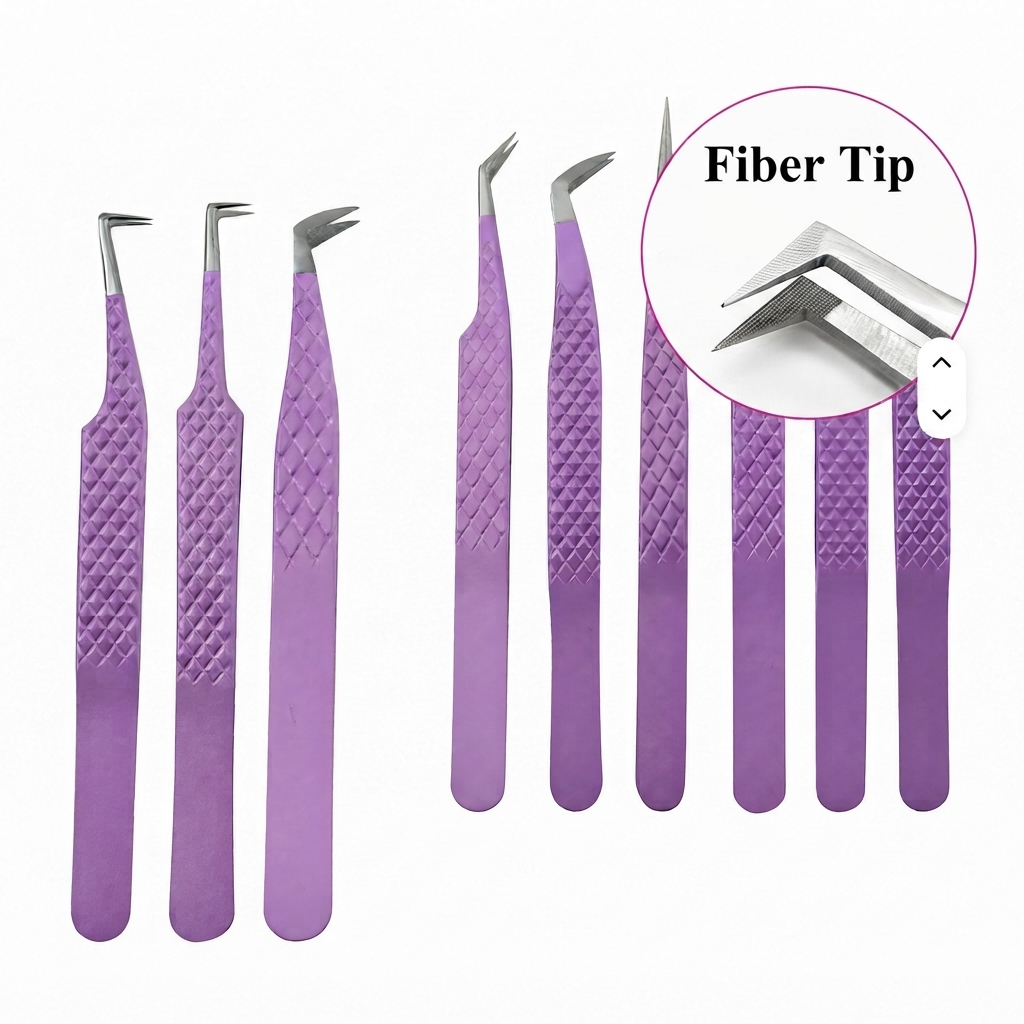
For market and application fit, the audit can examine whether the product range supports professional lash salons, eyelash extension studios, training academies, beauty schools, independent lash artists, and mobile beauty services. A documented product selection process is useful where buyers source eye pads together with lash tape, lash primer, lash remover, lash shampoo, tweezers, and other accessories.
Credential checks should remain product-specific. The available records include FDA Cosmetic Product Listing certificate 53-974973-435122 for UV Eyelash Extension Glue, FDA certificate 53-352156-140573 for eyelash extension products, and CE (LVD) and CE (EMC) certificates for LED Lash Glue Curing Lamps. These records should not be treated as certificates for eyelash eye pads unless the applicable product scope is separately confirmed.
Documented cooperation experience can also be reviewed. Available cases include private-label eyelash glue cooperation for a United States lash brand, eyelash extension wholesale cooperation for a Brazilian distributor, and a complete lash product sourcing project for an Italian professional lash distributor. These cases indicate experience with private-label, wholesale, and multi-category lash product sourcing, while the audit should still evaluate the eye pad production records directly.
| Audit Area | Evidence or Checkpoint | Audit Objective |
|---|---|---|
| Incoming materials | Incoming material inspection records and material identification | Confirm material consistency and controlled acceptance |
| Appearance quality | Appearance inspection for shape, surface, color, labeling, and packing | Confirm conformity with the approved sample or specification |
| Functional quality | Functional inspection records for eye pads and related accessories | Verify suitability for professional lash extension applications |
| Customization | OEM/ODM, private-label, color, label, packaging, and product combination procedures | Confirm that custom requirements are documented and approved |
| Delivery control | Standard delivery listed as 7 days; customized orders listed as 15–30 days | Check planning, approval, inspection, and dispatch controls |
| Final release | Pre-shipment inspection and packaging inspection | Confirm product identity, quantity, packaging, and release authorization |
| After-sales | Quality issue support and replacement for verified defects | Verify the process for claims, assessment, and corrective action |
What quality records should an auditor request for eyelash eye pads?
Request incoming material inspection, appearance inspection, functional inspection, packaging inspection, pre-shipment inspection, nonconformance records, and corrective-action documentation where available.
Should an onsite audit review products other than eye pads?
Yes. The supplier offers a broader professional accessory range that includes lash tape, adhesive pallets, glue holder rings, tweezers, lash mirrors, lash primer, lash remover, lash shampoo, and eyelash growth serum. The audit should separate eye pad evidence from evidence for other products.
How should custom eye pad orders be assessed?
Review the approved specification, sample confirmation, color and packaging requirements, label or private-label artwork, production schedule, inspection requirements, and final release approval. Custom orders are listed from 100 pieces, with customized delivery stated as 15–30 days.
An onsite audit at an eyelash eye pad factory should connect material control, appearance and functional inspection, customization management, packaging, delivery planning, pre-shipment release, and after-sales handling. The supplier supports OEM/ODM customization, private-label service, wholesale supply, bulk orders, and flexible small-batch orders, with a stated minimum order quantity of 1 piece at the business-model level. Review product-specific evidence before accepting any quality or certification claim. For detailed technical solutions or support, please reach out to us via sales@ubemay.com.
Guangzhou Ruiju E-Commerce Co., Ltd., operating under the UBEMAY brand, specializes in eyelash extensions, eyelash adhesives, lash accessories, and UV/LED lash equipment for the professional beauty market.
Established in 2014, the company operates a 5,000 sqm facility and has a product development team focused on eyelash extension glue, eyelash extensions, and professional lash accessories.
Its documented credentials include FDA Cosmetic Product Listing certificate 53-974973-435122 for UV Eyelash Extension Glue and CE (LVD) certificate ZKT-25091522640C for LED Lash Glue Curing Lamps, and its cooperation cases cover clients across multiple industries.