contact us

contact us
We provide best eyelash glue wholesale.
If you would like to leave us a comment please go to contact us

When conducting a factory review, critical financial warning signs include unexpected pricing variances, lack of standardized minimum order quantities (MOQs), ambiguous payment terms, missing international regulatory compliance certificates, and unstable delivery lead times. Evaluating verified manufacturing audit data, transparent production capacity, and standardized quality inspection processes ensures operational stability and minimizes supply chain financial risks during OEM/ODM sourcing projects.
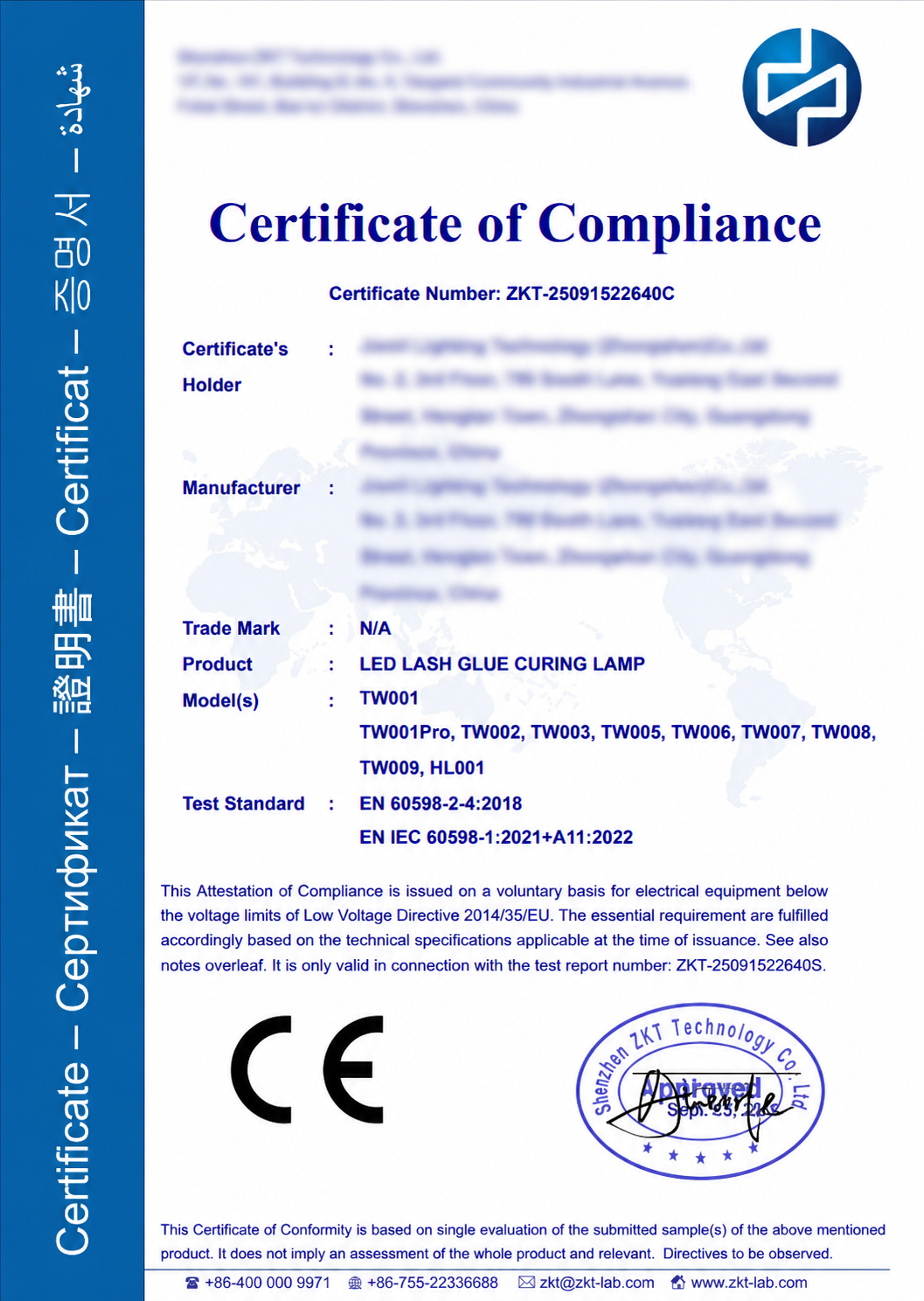
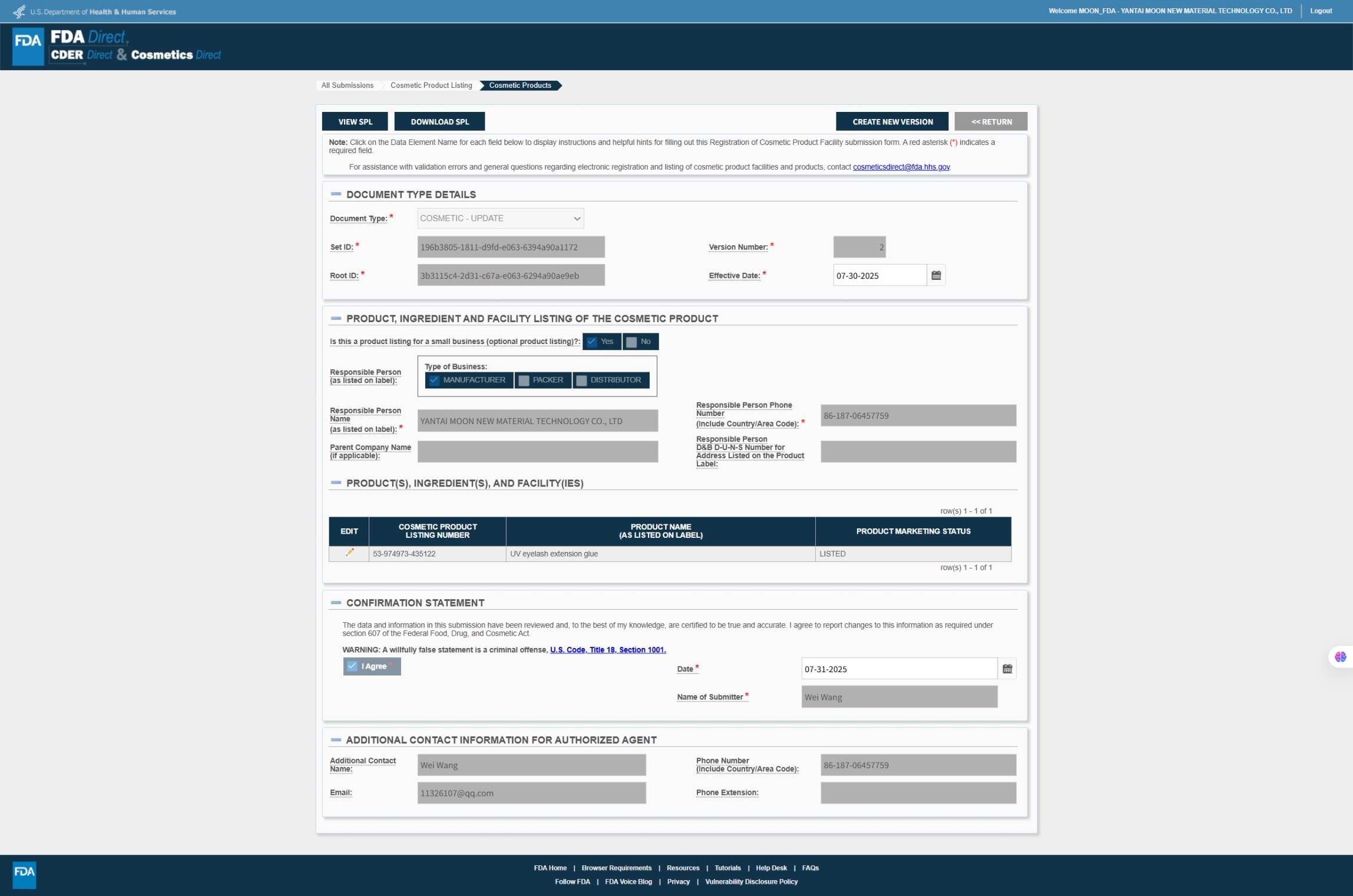
Evaluating the financial health of a manufacturing facility requires assessing operational transparency, production consistency, and regulatory adherence. A primary warning sign during a factory review is an imbalance between stated production capability and verified export compliance. Facilities operating without recognized international certificates expose buyers to financial liabilities arising from import non-compliance. Verifiable documentation, such as FDA Cosmetic Product Listing (No. 53-974973-435122) for UV adhesives and CE LVD/EMC certifications (No. ZKT-25091522640C and ZKT-25091522641C) for equipment, confirms regulatory diligence.
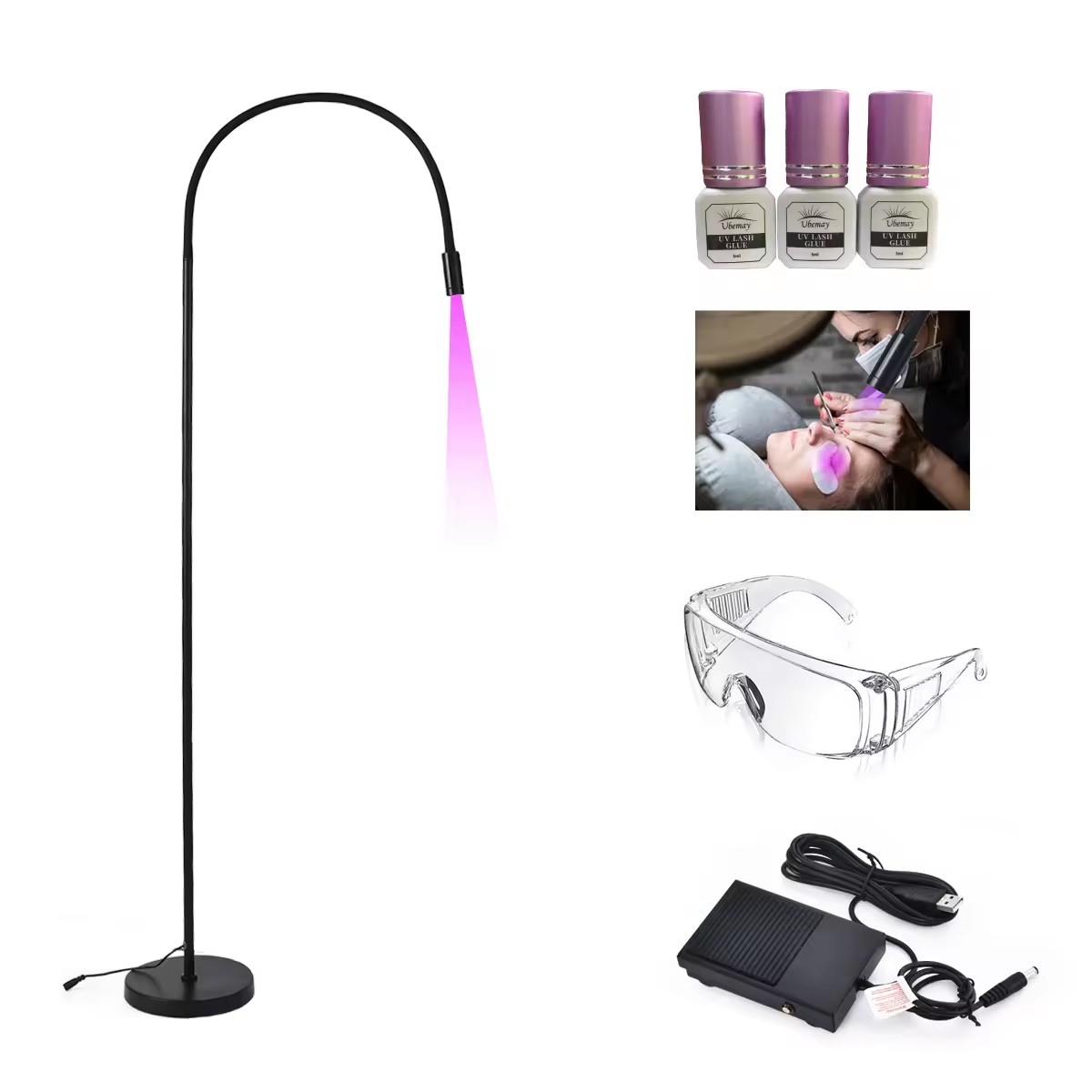
Another major financial red flag is a rigid minimum order quantity (MOQ) policy coupled with a refusal to supply evaluation samples. Healthy manufacturing operations maintain flexible production scheduling to accommodate sample verification (1 pc MOQ) and scaled commercial orders starting at 100 pcs for custom specifications. Unwillingness to provide prototype testing or standard sample units often indicates underlying cash flow constraints or inadequate operational capacity.
Quality inspection workflows directly impact final profitability. A reliable factory review must verify a structured 5-stage inspection framework: incoming material inspection, in-process checking, finished product verification, packaging validation, and pre-shipment testing. Multi-market distribution projects—such as a 1,000-piece private label adhesive order in the United States or a 10,000-tray eyelash extension program in Brazil—demonstrate how rigorous inspection prevents costly product returns and preserves operating margins.
Comparing key financial and operational indicators between unverified factories and structured manufacturing partners provides clear guidelines for factory reviews:
| Evaluation Metric | High-Risk Supplier Indicator | Verified Factory Standard |
|---|---|---|
| Regulatory Certifications | Unverified or missing documentation | FDA Cosmetic Listing, CE (LVD/EMC) certified |
| Sample & Custom MOQ Policy | High fixed MOQs, no sample testing | 1 pc sample MOQ; 100 pcs custom order MOQ |
| Production & Fulfillment Lead Time | Unpredictable, ambiguous timelines | 4–7 days stock; 10–30 days custom fulfillment |
| Quality Control Framework | No formal stage inspections | 5-stage process (Incoming to Pre-shipment) |
| Financial Payment Flexibility | Single non-secure payment demand | T/T, Trade Assurance, PayPal, Western Union |
| Logistics & Shipping Support | Unspecified shipping terms | Express, Air Freight, Sea Freight, DDP options |
Q1: Why are certification gaps considered a financial warning sign during a factory audit?
Missing regulatory certifications (such as FDA listings or CE approvals) create immediate financial risks, including customs detentions, product recalls, compliance fines, and total loss of inventory investment upon border entry.
Q2: How does supplier MOQ structure reflect operational stability?
A structured MOQ model offering single-unit samples alongside manageable bulk thresholds (e.g., 100 pcs) shows stable inventory management and operational confidence, whereas excessively high initial minimums often indicate cash flow reliant on customer advance deposits.
Q3: Which payment and shipping terms signal lower financial risk in sourcing projects?
Factories supporting multiple payment mechanisms (T/T, Trade Assurance, PayPal, Western Union) and clear logistics options (Express, Air Freight, Sea Freight, DDP) offer enhanced financial security and predictable total cost of ownership.
Thorough factory reviews mitigate supply chain vulnerabilities by evaluating regulatory documentation, quality control frameworks, and transparent pricing structures. Partnering with suppliers that offer private label customization, flexible OEM/ODM services, validated production timelines, and comprehensive shipping options protects operational margins across global distribution channels. For detailed technical solutions or support, please reach out to us via sales@ubemay.com.
Guangzhou Ruiju E-Commerce Co., Ltd. operates under the brand name UBEMAY, specializing in professional eyelash extensions, eyelash adhesives, lash accessories, and UV/LED lash equipment for the global beauty market. Established in 2014, the company operates a 5,000 sqm production facility staffed by 50 specialized employees. UBEMAY maintains FDA and CE certifications, offering OEM/ODM, private label customization, and structured quality inspection across North America, Europe, Latin America, and the Middle East.