contact us

contact us
Wholesale UV Lash Systems, Lash Adhesives & Private Label Solutions.
If you would like to leave us a comment please go to contact us

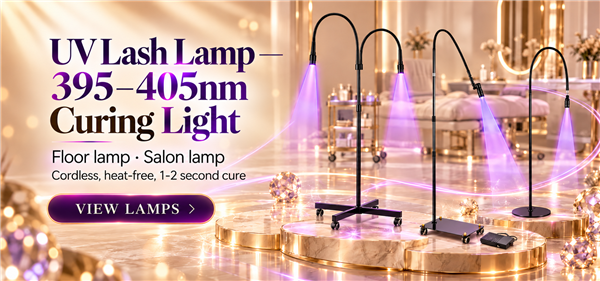
Track lamp failure rates by location with a consistent incident definition, a fixed reporting period, and a denominator based on lamps installed or active at each customer site. Record lamp model, installation date, operating conditions, failure type, downtime, and replacement status. Compare locations by normalized failure rate, then review trends by product configuration, including single-head, dual-head, clamp-mounted, and floor-standing UV/LED lash lamps.
A reliable tracking process starts with a standardized record for every customer location. The record should identify the lamp configuration, including clamp-mounted, floor-standing, single-head, dual-head, detachable-head, adjustable-spot-size, or ring-light combination models. It should also capture the customer, region, installation or delivery date, operating status, reported symptom, inspection result, repair or replacement action, and closure date.
Separate confirmed failures from temporary operating issues. A confirmed failure should have an inspection result or verified defect record. A temporary issue can remain in a service category until the cause is established. This distinction prevents unverified complaints from being counted as product failures and keeps comparisons between customer locations consistent.
Use the same reporting window for every location. A location-level report should show the number of active lamps, the number of confirmed failures, the operating period used for comparison, and the resulting failure rate. When a location has a small installed base, display the count beside the rate so that a percentage is not interpreted without its underlying volume.
Segment the data by product configuration and customer use. A salon may operate lamps differently from a lash training academy, while an independent or mobile lash artist may use a more portable setup. Comparing these groups separately helps identify whether a pattern is associated with location, operating context, lamp configuration, or service handling.
Track failure categories separately, such as no power, unstable operation, curing-performance complaint, physical damage, control or adjustment issue, and verified component defect. Add a status field for reported, under inspection, repaired, replaced, awaiting customer confirmation, or closed. This creates a service history that can be reviewed by customer location and product type.
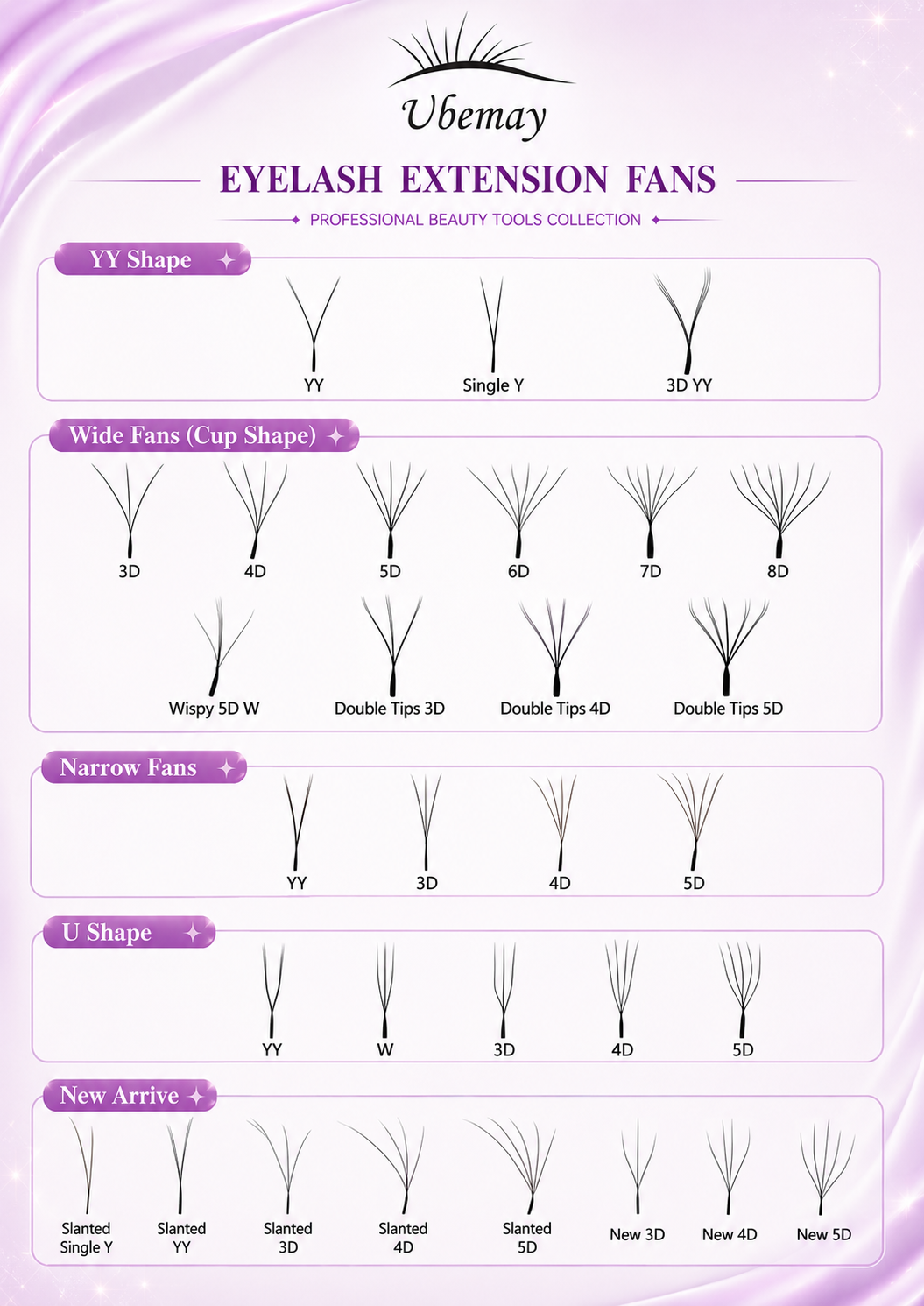
UBEMAY provides UV/LED lash equipment for professional eyelash extension applications and supports products such as eyelash extensions, adhesives, preparation products, and accessories. Its production and supply capacity covers UV/LED lash lamps and can be adjusted according to product category, order quantity, and customization requirements. The product portfolio also includes professional eyelash extension fans with multiple fan structures, curls, lengths, and thicknesses.
For equipment-related quality review, the available credentials include CE (LVD) for LED Lash Glue Curing Lamp and CE (EMC) for LED Lash Glue Curing Lamp. These certificates can be linked to the relevant lamp records in an internal quality register, while customer-reported incidents should remain separated from certification records.
A complete lash product sourcing project in Italy involved professional salon use, lash training, and retail sales across lashes, adhesives, accessories, and UV/LED lash equipment. This type of multi-product customer environment can be monitored with separate lamp-location records so that equipment incidents are not mixed with failures involving adhesives, extensions, or accessories.
| Tracking Layer | Required Records | Primary Use |
|---|---|---|
| Location register | Customer location, region, lamp configuration, installation or delivery date, active status | Compare customer sites using a consistent population |
| Failure register | Failure category, report date, inspection result, downtime, repair or replacement status | Separate confirmed failures from unresolved service reports |
| Product analysis | Model configuration, operating context, customization details, related service history | Identify patterns associated with lamp type or customer use |
| Management report | Failure count, active-lamp count, reporting period, normalized failure rate, trend direction | Rank locations for investigation and corrective action |
What should count as a lamp failure?
Count a lamp as failed when an inspection or verified service record confirms that it cannot perform its intended function or has a confirmed hardware, electrical, or curing-related defect. Keep unverified complaints in a separate pending category.
How can failure rates be compared across customer locations?
Apply the same definition, reporting period, and denominator to every location. Report the failure count beside the active or installed lamp count, then segment the result by lamp configuration and customer application scenario.
Which customer information should be retained for follow-up?
Retain the location, lamp type, operating status, delivery or installation date, reported symptom, inspection result, service action, replacement status, and closure date. This record supports recurring-issue analysis and verified quality follow-up.
Use a location-based register, consistent failure definitions, confirmed inspection results, and normalized comparisons to track lamp failure rates across customer locations. Review results by lamp configuration and application scenario, and keep service incidents separate from product categories such as eyelash extensions or adhesives. UBEMAY supports wholesale supply, OEM/ODM customization, private-label service, bulk orders, and flexible small-batch orders. Its quality process covers incoming material inspection, production process inspection, finished product inspection, packaging inspection, and final inspection before shipment. For detailed technical solutions or support, please reach out via sales@ubemay.com.
Guangzhou Ruiju E-Commerce Co., Ltd., operating under the UBEMAY brand, specializes in eyelash extensions, eyelash adhesives, lash accessories, and UV/LED lash equipment for the global professional beauty market. The company was established in 2014 and serves North America, Europe, the Middle East, and Latin America. Its product range supports wholesalers, distributors, lash salons, training academies, professional lash artists, retailers, and private-label brands. Available credentials include FDA Cosmetic Product Listing for UV Eyelash Extension Glue and CE (LVD) for LED Lash Glue Curing Lamp; the company has served clients across multiple industries.